I’m guessing you’re here if like me you struggled to find any advice on how to get your abdomen area back after a csection. By getting it back I mean actually feeling it engage again and correcting that gap youv now discovered between your abdominal muscles.
Firstly let’s get you aware of what has happened to you abdomen area after a csection of any kind.
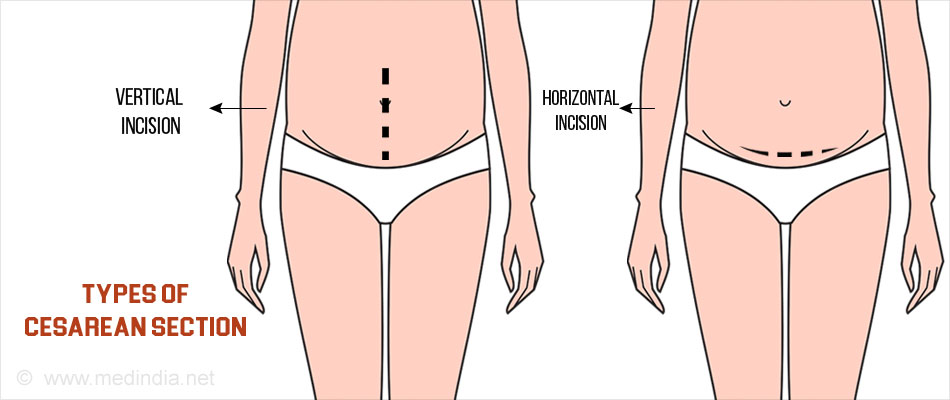
A low-transverse incision: this is the one I have…for this procedure the cut is across the lower part of the uterus. This is used in 95% of C-sections, this cut is preferred due to the muscle at the bottom of the uterus being thinner, resulting in less bleeding and if the female wishes to have a vaginal birth later on its less likely to tear during labour.
A vertical cut: for this procedure the incision is cut down the middle of the uterus, this is only used if the baby is in a very low or unusual position.
During the operation the incision goes through the skin, underlying fat, and into the abdomen and uterus. The bladder may have to be moved before the uterus is cut.
So you can see why recovery is hard and often challenging.
Aside from recovery from the operation, you now have to get your abdominal muscles working if like me you won’t be able to feel them at all.
For the first part you need to get to know your body again, be able to feel what needs to be done to get your stomach muscles back engaging.
Firstly we need to see how much of a gap you have in your abdominal muscles.
So now we know how to measure our diastasis recti what do we do now?
We fix it…
To begin rectifying the problem focus on your pelvic floor muscles.
Please see my next article on pelvic floor exercises “getting back to basics” to then progress to more complex exercises.
 Karly Smart fitness